
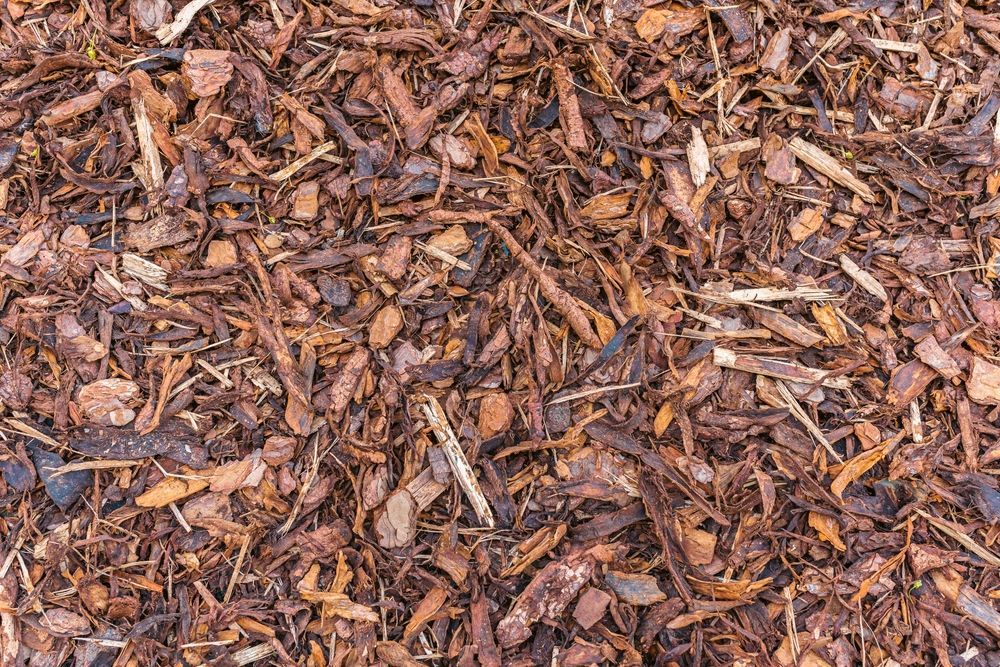
Beds That Retain Moisture and Block Weeds
Mulching Services in Bensalem for landscape beds losing definition and requiring constant weed removal
When mulch thins out and breaks down, soil becomes exposed to direct sunlight and temperature swings that stress plant roots and invite weed seeds to germinate. GreenToro Landscaping applies fresh mulch to residential and commercial landscape beds in Bensalem, Philadelphia, Bristol, and surrounding areas, restoring the protective layer that moderates soil conditions and suppresses unwanted growth. A properly mulched bed holds moisture longer between waterings, reduces surface evaporation, and creates a uniform appearance that frames plantings without competing for attention.
Mulch application begins with clearing old material that has decomposed into compacted mats or drifted away from intended areas, then spreading a two- to three-inch layer of fresh mulch evenly across the bed. The depth matters because too little fails to suppress weeds, while excessive mulch can smother plant roots and retain too much moisture against stems, encouraging rot. Professional installation ensures mulch sits away from plant crowns and tree trunks, maintaining airflow while still providing soil coverage.
Request an estimate based on total bed square footage and preferred mulch type to see how seasonal refresh services improve landscape health.
How Mulch Application Addresses Multiple Problems
Mulch installation involves calculating coverage area, removing debris and decomposed material, and distributing new mulch to specified depth across all planting zones. The process includes pulling mulch back from direct contact with plant stems and trunks, which prevents bark decay and pest intrusion. Edges are shaped to follow bed lines cleanly, keeping mulch contained within borders rather than spilling onto turf or hardscape.
Once mulch is in place, you notice darker, uniform color across beds that no longer show bare soil patches or faded, gray material. Weeds stop appearing as frequently because seeds cannot reach soil to germinate, and any that do sprout pull easily from the loose mulch rather than rooting into hard ground. Plants require less frequent watering because the mulch layer slows evaporation, and soil temperatures remain more stable during heat waves and cold snaps, reducing stress on root systems.
Mulch begins breaking down as soon as it is applied, gradually decomposing into organic matter that enriches soil. In Bensalem's climate, annual replacement is common for highly visible front beds, while less prominent areas may go eighteen months between applications depending on mulch type and exposure. Organic mulches like shredded hardwood decompose faster than dyed varieties, but both require periodic refresh to maintain depth and effectiveness. Properties with mature trees often need additional mulch around root zones where competitive growth and shade accelerate breakdown.
Questions Before Starting Your Project
Mulch decisions involve material selection, timing, and understanding what the service includes beyond spreading material.
GreenToro Landscaping sources mulch by the truckload to handle projects of any size, from small front bed refreshes to full-property commercial installations. Contact us to schedule a site assessment and receive a detailed breakdown of material and labor costs based on your landscape's specific needs.
What type of mulch works best for residential landscape beds?
Shredded hardwood mulch is common for general landscape use because it interlocks slightly to resist washing away during heavy rain, decomposes at a moderate rate, and supports healthy soil as it breaks down. Dyed mulches hold color longer but may cost more per cubic yard, while pine bark nuggets drain quickly and work well in beds with plants that prefer drier conditions.
How much mulch does a typical property need?
Coverage depends on total bed area and desired depth, but most residential properties require between three and eight cubic yards for a full refresh of front and backyard planting areas. Beds with significant bare soil or thin existing mulch need more material to reach proper depth, while properties with some remaining coverage may only need a top layer to restore appearance and function.
When should mulch be applied during the year in Bensalem?
Spring application before temperatures rise helps soil retain winter moisture and suppresses the first wave of warm-season weeds. Fall mulching insulates roots before winter freezes and gives beds a clean appearance heading into dormancy. Either timing works depending on landscape needs, though spring is more common for maximizing weed control during active growing months.
Does old mulch need to be removed before adding new material?
Removal is necessary when existing mulch has compacted into a dense mat that sheds water rather than allowing it to penetrate, or when total depth exceeds four inches and risks smothering roots. In most cases, old mulch that has decomposed into fine particles can remain as a soil amendment while new mulch is added on top to restore proper coverage depth.
What preparation happens before mulch goes down?
Bed preparation includes pulling weeds, clearing leaf litter and debris, and edging borders to redefine separation between beds and turf. Some installations include landscape fabric placement in beds with persistent weed problems, though fabric is not necessary in most residential settings where proper mulch depth alone provides adequate suppression.