Edges That Define a Finished Yard
Lawn Trimming in Bensalem for properties where overgrown borders and uneven lines detract from curb appeal
GreenToro Landscaping handles lawn trimming in Bensalem, Levittown, Langhorne, and surrounding areas, with attention to the borders that frame your entire property. Overgrown grass along sidewalks, driveways, and fence lines creates an unfinished appearance even when the main lawn looks healthy. Precision trimming restores clean separation between turf and hardscape, giving the yard a maintained look that stands out from the street.
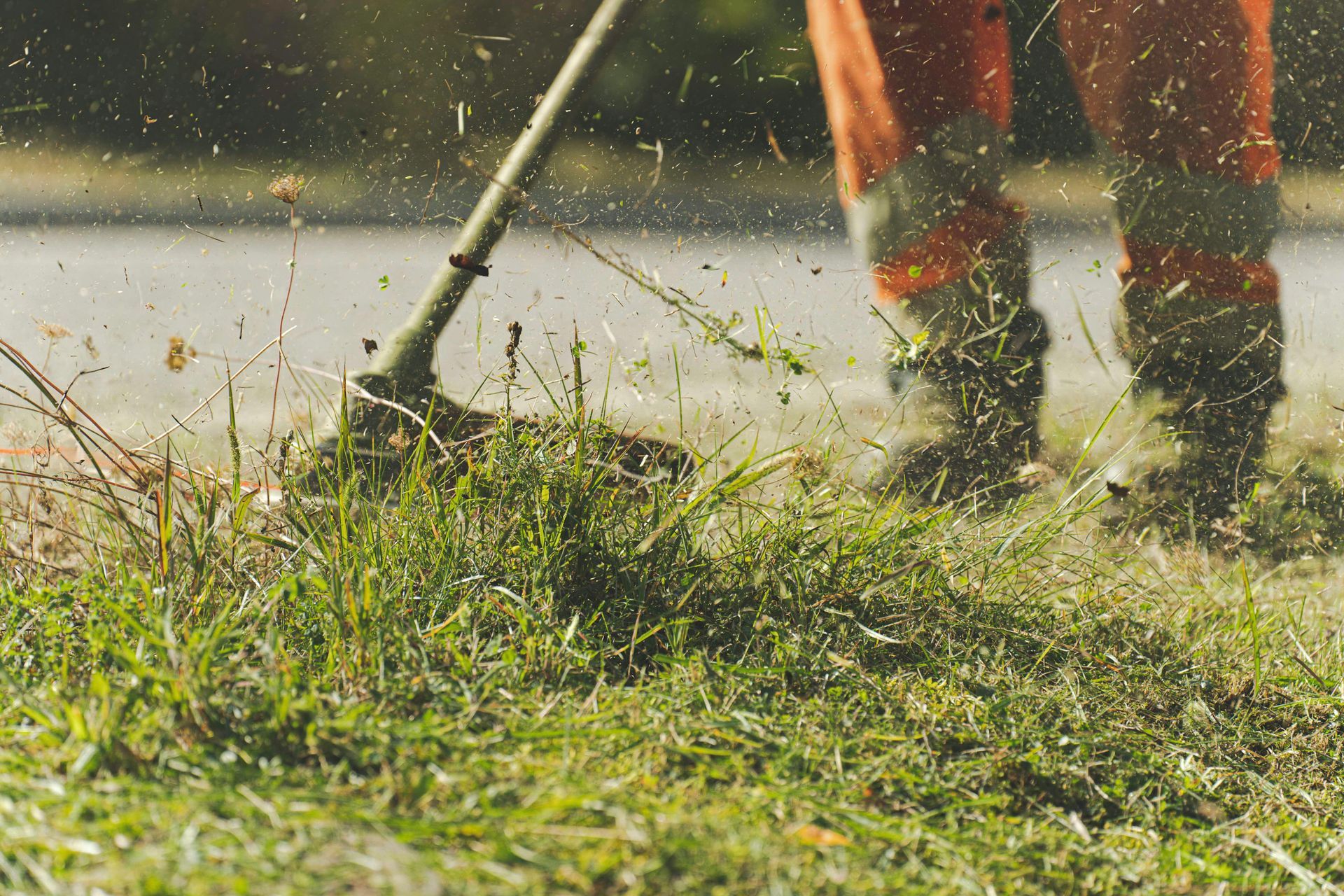
Trimming removes grass and vegetation that mowers cannot reach, targeting areas where blades grow over concrete edges, push through mulch beds, and creep into landscape features. The work addresses both aesthetic concerns and functional problems, clearing sightlines near driveways and preventing root intrusion into pavement cracks. Regular trimming keeps these borders defined without allowing buildup that requires more invasive correction later.
Schedule a property walkthrough to identify trimming priorities and establish a maintenance interval that matches your landscape's growth rate.
What Proper Trimming Maintains Long-Term
Trimming work follows the layout of your hardscape and landscape beds, cutting back growth that crosses defined boundaries. Equipment reaches into corners where mower decks cannot fit, clearing grass from fence posts, around downspouts, and along garden bed borders. The process removes not just visible overgrowth but also the runners and root systems that cause grass to spread beyond intended areas.
After trimming, you see sharp lines between lawn and pavement, no grass blades angling across sidewalk edges, and mulch beds that remain distinct from surrounding turf. Driveways and walkways appear wider because encroaching growth no longer narrows the usable surface. Fences stand clean at the base rather than disappearing into uncut vegetation, and landscape features like stone borders or garden edges regain their intended visual impact.
Trimming does not replace edging, which cuts into soil to create new boundaries, but it maintains existing lines between scheduled edging services. Properties with extensive hardscape or detailed landscape designs benefit from more frequent trimming to prevent the gradual blur that occurs as grass fills in around features. Seasonal growth rates and irrigation patterns influence how often trimming is necessary to keep borders looking intentional rather than neglected.
What Owners Ask About Trimming Work
Trimming questions often focus on timing, equipment differences, and how the service integrates with broader lawn care.
GreenToro Landscaping incorporates trimming into comprehensive lawn maintenance plans that address all visible growth, not just the main turf area. Arrange a consultation to establish a trimming schedule that maintains the clean borders your property requires throughout the growing season.
What areas does trimming cover that mowing does not?
Trimming targets borders where mower decks cannot reach: along fence lines, around posts and obstacles, next to building foundations, and in tight corners where landscape beds meet hardscape. The work clears grass that grows horizontally over edges rather than vertically, which mowing alone cannot address effectively.
How does trimming differ from edging services?
Trimming cuts back existing growth to restore clean lines, while edging uses a blade to cut into soil and redefine the boundary itself. Trimming maintains the edge that edging creates, preventing gradual encroachment between more intensive edging sessions. Most properties need edging once or twice per season and trimming with each mowing cycle.
Why does growth return quickly after trimming in Bensalem?
Warm-season growth spurts during humid summer conditions in southeastern Pennsylvania push grass outward rapidly, especially in irrigated areas where moisture supports aggressive spreading. Trimming every one to two weeks during peak growth keeps borders defined without allowing runners to establish new root systems beyond intended boundaries.
What happens to trimmings after the work is complete?
Clippings are either blown back onto the lawn to decompose, collected and removed with other yard waste, or cleared from hardscape surfaces depending on volume and your preference. Small amounts left on turf return nutrients to the soil, while heavier accumulations near beds or walkways are removed to prevent matting and decomposition stains on pavement.
When should trimming be scheduled relative to mowing?
Trimming typically follows mowing so that borders are cleaned after the main cutting pass, leaving the entire property uniform in appearance. Some properties benefit from a trimming pass before mowing to clear heavy overgrowth that might otherwise be pushed down by mower wheels, then a final detail pass afterward to catch any remaining stray growth.