
Properties Prepared Before Winter Dormancy
Fall Cleanup Services in Bensalem for yards where leaf accumulation and seasonal debris threaten lawn health and drainage
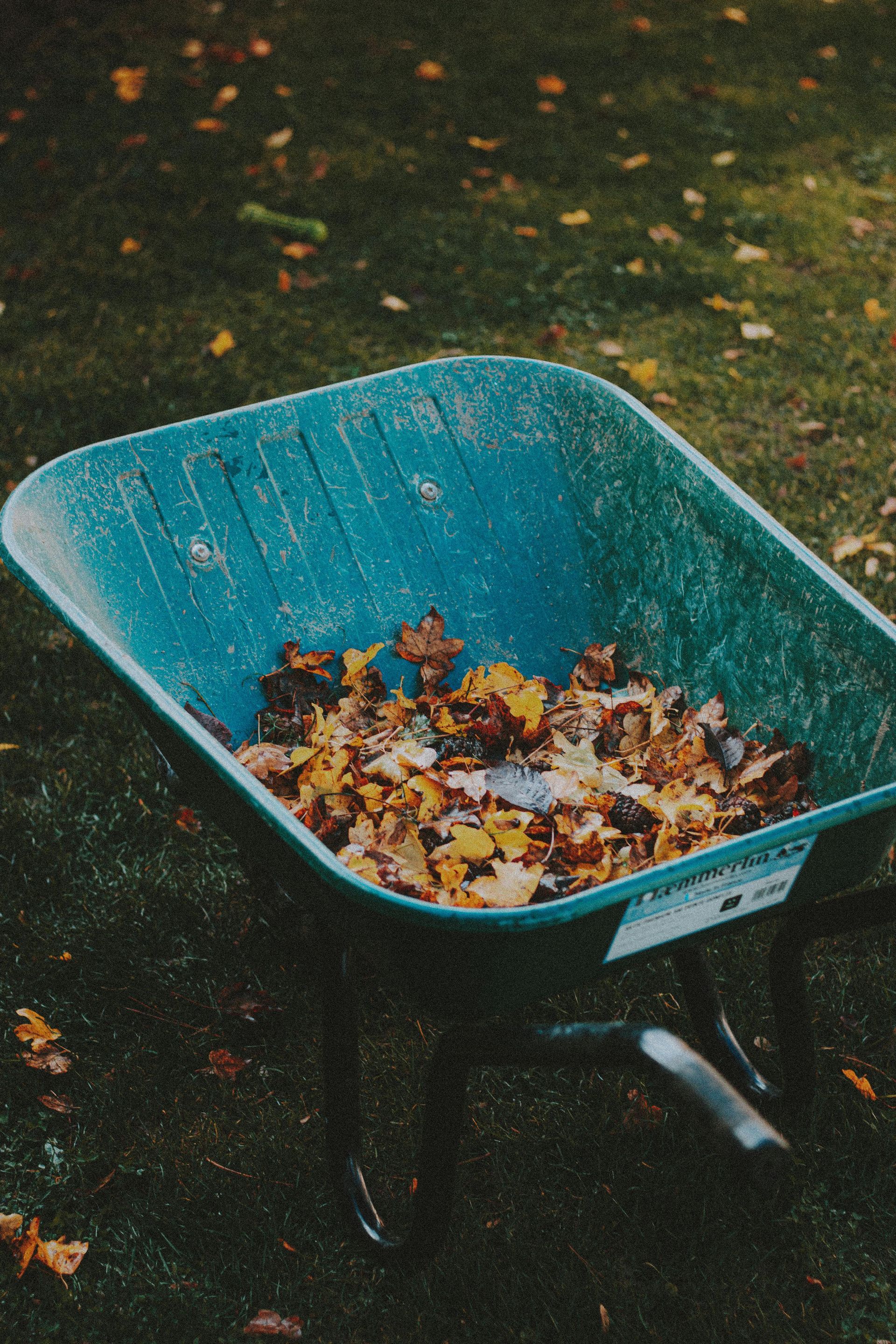
Fallen leaves cover lawns in thick mats that block sunlight and trap moisture against grass, creating conditions where turf suffocates and fungal problems develop before spring. GreenToro Landscaping performs fall cleanup across properties in Bensalem, Philadelphia, Levittown, and surrounding areas, removing leaves, clearing landscape beds, and eliminating debris that accumulated during the growing season. The work prepares outdoor spaces for winter weather while preventing the damage that occurs when organic material is left to decompose directly on turf and in planting areas.
Fall cleanup targets leaf piles, dead plant material, fallen branches, and overgrown vegetation that needs cutting back before dormancy. The process includes clearing gutters where leaf buildup causes water overflow, raking beds to remove debris that smothers perennials, and removing anything that could obstruct drainage or harbor pests over winter. Timing matters because cleanup performed too early leaves properties vulnerable to additional leaf drop, while waiting too long allows wet leaves to mat down and become difficult to remove without damaging underlying turf.
Schedule a property evaluation in mid-October to plan cleanup timing that matches your landscape's leaf drop pattern and local weather forecasts.
What You Notice Once Seasonal Work Is Finished
Cleanup work involves blowing or raking leaves into collection piles, hauling away debris, cutting back perennials that have finished their growing cycle, and clearing gutters and downspouts of organic blockages. Beds are cleared down to mulch level so that remaining plants have airflow and light rather than sitting buried under decaying material. Lawns are inspected for remaining leaf fragments that could smother grass, and any final mowing passes occur to mulch light leaf cover into the turf rather than leaving whole leaves to mat.
After cleanup, your lawn is visible again without leaf cover obscuring turf, landscape beds show clean mulch rather than piles of wet foliage, and gutters drain freely during fall rains instead of overflowing at seams. Properties look maintained rather than abandoned, and grass enters winter dormancy without the stress of prolonged shading and moisture retention that weakens root systems. You also eliminate hiding spots for rodents and insects that overwinter in leaf piles, reducing pest pressure on the property during cold months.
Fall cleanup does not include pruning or trimming of shrubs and trees, which is typically scheduled separately based on plant type and dormancy timing. Properties with extensive tree coverage may require multiple cleanup visits as different species drop leaves at varying times throughout autumn. Cleanup also prepares lawns for late-season fertilization and overseeding, which perform better when debris is removed and soil contact is maximized.
Answers to Frequent Service Questions
Fall cleanup timing and scope often raise questions about what gets removed, what stays, and how the work protects landscapes heading into winter.
GreenToro Landscaping handles fall cleanup for properties of all sizes, from single-family homes with a few trees to commercial sites with extensive landscaping requiring multiple crew days. Contact us to discuss your property's specific cleanup needs and lock in a service window before the seasonal schedule fills.
What happens to leaves and debris after removal?
Collected material is hauled away and disposed of according to local yard waste regulations, typically taken to composting facilities or municipal collection points. Leaves are not left in bags on your property unless specifically requested, and disposal is included in the service cost rather than billed separately.
How does fall cleanup protect lawns during winter?
Removing leaf cover allows remaining sunlight to reach grass during late fall, supporting photosynthesis and carbohydrate storage before dormancy. Cleared turf also experiences better airflow, which reduces fungal disease risks associated with prolonged moisture exposure. Lawns that enter winter without debris stress recover faster in spring and show fewer dead patches from suffocation.
When should cleanup be scheduled in Bensalem?
Late October through mid-November captures peak leaf drop for most deciduous trees common in southeastern Pennsylvania, including oaks, maples, and ashes. Scheduling too early means additional cleanup will be necessary as more leaves fall, while waiting past Thanksgiving often means working with wet, matted leaves that are harder to collect and may have already damaged underlying grass.
Why do some properties need multiple fall visits?
Properties with diverse tree species experience staggered leaf drop, with some trees shedding in early October and others holding leaves into late November. Multiple visits ensure that early-falling leaves do not sit on turf for weeks while waiting for late-season trees to finish, and each visit addresses peak accumulation for specific tree types without allowing prolonged coverage.
What gets cut back during fall cleanup and what stays standing?
Dead annuals, finished vegetable plants, and perennials that have collapsed are typically removed, while ornamental grasses and perennials with structural interest may be left standing for winter visual appeal and wildlife habitat. The decision depends on landscape design preferences and plant type, with cutting back focused on removing material that will not survive winter or that harbors pests and disease.